
How Can Wexford Homeowners Use Window Details to Add Character?

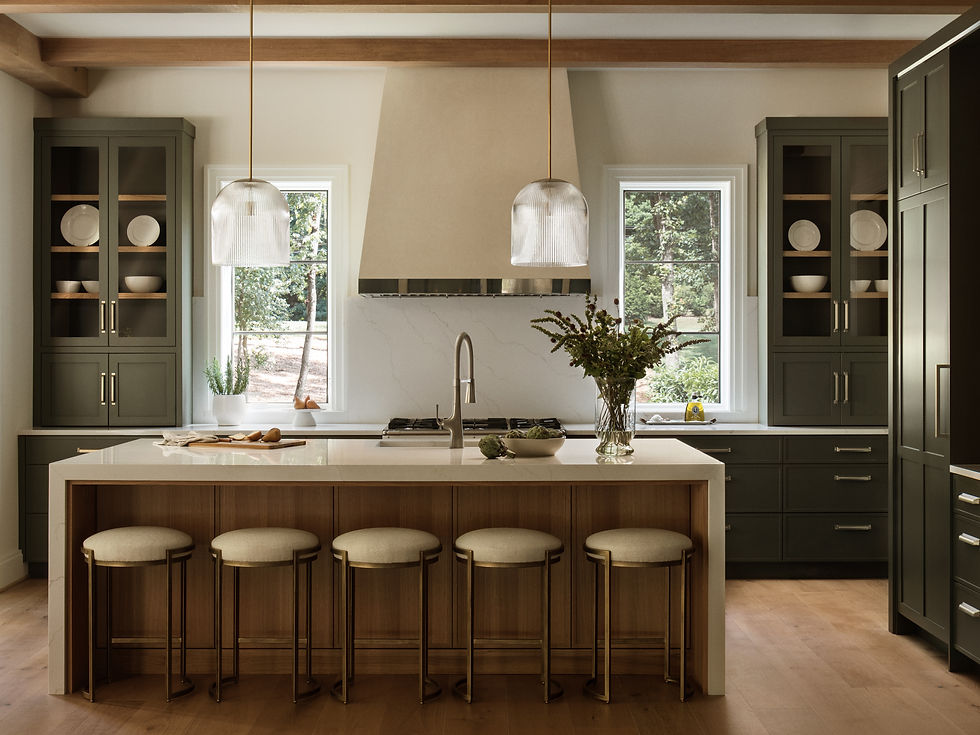
Wexford homeowners can use window details to reinforce architectural character without redesigning the entire house. The best results come from treating every window as part of a complete composition rather than choosing features in isolation.
Begin with the home’s dominant design cues. Rooflines and masonry can indicate whether traditional or contemporary details fit naturally. Siding, trim, entry doors, and existing window openings provide additional direction. Traditional brick homes may suit divided-light patterns with warm interior finishes. Contemporary exteriors often look better with fewer visual interruptions and larger areas of glass.
We recommend comparing proposed window details from the street and inside each room. Grilles that look balanced across an exterior elevation might feel busy from a living space. Likewise, a dark exterior finish may create attractive contrast outside, while a different interior finish works better with cabinetry or flooring.
Before ordering Wexford replacement windows, review the full elevation rather than one opening. This step reveals whether the proportions and repeated patterns produce a cohesive design.
Which Grille Patterns Complement Different Home Styles?
Grille patterns complement a home when their line placement reflects its architectural style and remains consistent across prominent elevations. Our Pella window options support traditional, transitional, historic-inspired, and contemporary designs.
Traditional patterns divide the glass into multiple sections, adding definition to Colonial, Georgian, or other classically influenced homes. Prairie-style arrangements place lines near the glass perimeter. This layout preserves a broad central view while introducing architectural detail. Simpler top-row patterns can bring traditional character to transitional homes without covering the entire window. Contemporary houses often benefit from minimal grilles or unobstructed glass.
Consistency matters, but every opening does not need an identical configuration. Larger feature windows may require modified patterns that align visually with nearby double-hung or casement windows. Match grille line heights across units that appear together, particularly on the front elevation.
View grille samples from both sides of the glass before choosing. Compare them from several distances as well. Fine details that appear subtle up close can become prominent across the exterior.
How Should Window Finishes Coordinate With a Wexford Home?
Window finishes should connect with permanent architectural elements while supporting the desired degree of contrast. Because masonry and roofing typically remain longer than paint or décor, evaluate those fixed materials first.
Exterior finishes do not need to match the siding. Contrasting frames can define each opening, while a related tone creates a quieter appearance. On a stone or brick home, compare physical finish samples with the masonry outdoors. Interior lighting and screen displays may hide undertones that become obvious in daylight.
Inside the home, finishes should relate to room trim, floors, doors, and cabinetry. Homeowners replacing several windows can use one consistent finish throughout the house. Another option is selecting finishes by room when the architecture supports deliberate variation.
Pella Windows and Doors include design choices for different home styles and project requirements. We also offer custom painting and prefinishing for Pittsburgh-area homes. Confirm finish selections before final measurements, then review physical samples beside the home’s permanent materials.
How Does Window Hardware Affect Interior Design?
Window hardware affects interior design by adding visible detail to every frequently used opening. Although each piece is small, its finish and shape can either support the room or introduce an unnecessary competing element.
Compare window hardware with nearby cabinet pulls and door handles. Plumbing fixtures or lighting may provide another reference point, but exact matches are rarely necessary. Related finishes often create a more natural appearance, especially in rooms that already combine metals.
Function should guide the choice alongside appearance. Operate sample locks, lifts, and cranks before approving the hardware. Attractive hardware still needs to feel comfortable and fit the window’s location. Reach becomes especially important above kitchen counters or behind furniture.
Maintain decorative consistency where several windows share one sightline. Hardware in an open kitchen and living area should look coordinated, even when private rooms use another finish. Our team can review these details as part of a broader Wexford window design plan.
How Do Window Proportions and Placement Change a Home’s Appearance?
Window proportions and placement affect whether a home appears balanced, tall, wide, traditional, or contemporary. Each opening should relate logically to surrounding walls, adjacent windows, doors, rooflines, and interior use.
For replacement projects that retain existing openings, pay close attention to sightlines. Frame and sash dimensions influence the visible glass area, so compare more than the rough opening size. Request a clear explanation of how the proposed unit changes the glass area. Grille lines should also align across grouped windows.
Renovations that alter openings require a broader design review. Taller windows strengthen vertical emphasis, while wider groupings can make a room feel more open. Placement also affects furniture layouts and privacy. Natural light, exterior symmetry, and everyday movement through the room deserve equal consideration.
Photograph every elevation straight on, then mark the windows included in the project. Compare head heights and sill heights first. Next, review widths, spacing, and alignment before approving the plan. This simple exercise often exposes inconsistencies that are difficult to spot when evaluating one room at a time.
Coordinating Windows and Doors
Coordinating windows and doors creates a connected exterior by repeating selected colors, glass details, hardware tones, or architectural lines. Since we provide sales, installation, and service for both product categories, homeowners can plan them as one visual system.
Begin with the front entry. The door, sidelights, transom, and nearby windows should share at least one visible relationship. That connection might come from matching exterior finishes or aligned grille lines. Compatible trim and related glass designs offer other ways to tie the elements together.
Secondary entrances also matter. Patio doors and side-entry doors often appear beside windows, so compare frame profiles across the full elevation. Review hardware finishes at the same time. Indoors, consider how door and window finishes look from adjoining rooms.
When updating several exterior features, prepare a design schedule before ordering. Record each opening’s window style and grille pattern. Add interior finish, exterior finish, hardware, and related door details. This reference reduces accidental variation and gives installers a clear picture of the completed design. Homeowners can also review Pella entry door ideas when coordinating a larger exterior update.
Why Choose Gunton for Wexford Windows?
Choosing Gunton for Wexford windows gives homeowners regional design knowledge and direct accountability from product selection through service. We are a family-owned, professionally managed company founded in Cleveland in 1932. Today, we are the largest distributor of Pella Windows and Doors.
Our service area covers Wexford and Western Pennsylvania, including Pittsburgh, Warrendale, Sewickley, Fox Chapel, Shadyside, and McMurray. We sell and install Pella products, then service the products we provide. That continuity matters when a project includes custom finishes, coordinated elevations, or multiple window and door configurations.
Our team guides homeowners through grille choices and finish combinations while keeping the building’s architecture central to each decision. We also evaluate hardware, proportions, and placement as connected design elements. Rather than selecting each detail separately, we review how the finished composition will look inside and outside the home.
Plan Your Wexford Window Design
Schedule a consultation with our team to explore window details for your Wexford home. We can review your architecture, existing materials, preferred finishes, and relationships between windows and doors before the design is finalized. Bring exterior photos plus samples of permanent materials so the conversation can address your home’s specific character.
FAQ
Q: Should all the windows on my house have the same grille pattern?
A: Not necessarily. Windows on the same visible elevation should look coordinated, but feature windows may need modified patterns. Keep grille line heights and the overall design language consistent when different window sizes appear together.
Q: Can I choose different colors for the inside and outside of my windows?
A: Available combinations depend on the selected Pella product and material. Different interior and exterior finishes can connect the outside frame with masonry or siding while coordinating the inside with trim, flooring, or cabinetry.
Q: Do dark window frames work with traditional homes?
A: Dark frames can suit traditional homes when they relate to roofing or shutters. Doors, masonry, and other exterior details may also provide visual connections. Review a physical finish sample outdoors and compare it with the entire elevation before making a final selection.
Q: Is it worth coordinating replacement windows with my front door?
A: Yes. Coordinating one or two details, such as exterior color or grille lines, can connect the entry with nearby windows. Glass treatment and hardware tone offer additional opportunities without making every feature identical.
Q: What should I bring to a window design consultation?
A: Bring straight-on photos of every exterior elevation and interior room photo. Include samples or references for siding, brick, stone, trim, flooring, and hardware. Identify the openings you plan to replace and note any rooms where privacy, reach, or furniture placement affects the design.


Comments